Composite Wood Materials: A Practical Guide for Builders, Distributors, and Project Buyers
If you are sourcing materials for large-scale construction projects, you are no longer just comparing appearance—you are managing risk.
For years, traditional timber has created recurring problems that eat into your profit margins and damage your reputation. You already know the headaches:
Warping, rotting, and cracking shortly after installation
High maintenance requirements that upset your clients
Increasing labor and replacement costs due to product failure
As a result, more contractors, architects, and distributors are shifting toward composite wood materials. This shift is not just because composites look great. It is because they offer you predictable, long-term performance. When you install a product, you want to know it will last.
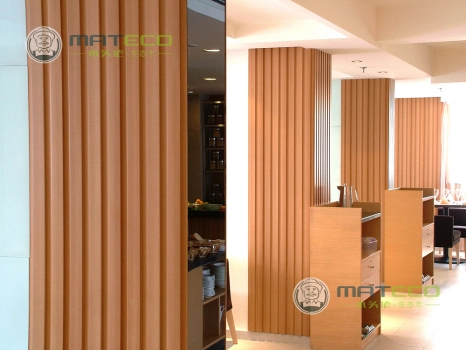
Table of Contents
What Are Composite Wood Materials?
Composite wood materials are highly engineered building products. As a manufacturer, we create these durable materials by carefully combining three main ingredients:
Wood fiber (or wood flour) for a natural look and feel
Thermoplastics (like PE, PP, or PVC) for moisture resistance
Functional additives to improve color or strength.
These ingredients are mixed and heated through a process called extrusion. This creates consistent, perfectly shaped profiles that you can use for decking, wall cladding, ceilings, and structural decoration. Because it is manufactured, every single piece you order is identical (Our wood grain is random and natural)—meaning zero waste on your job site.
Types of Composite Wood Materials
Understanding the different material categories helps you match the right products to your specific project needs. Here is a quick breakdown:
1. PE-Based Wood Plastic Composite (WPC)
PE-based composite is the most common type of WPC, widely used in outdoor decking.
The Benefits: It is highly cost-effective and heavily tested in the market.
The Consideration: It is heavier due to a higher calcium powder. While great for price-sensitive projects, long-term stability depends heavily on the quality of its surface treatment.
2. PVC-Based Composite Materials
PVC-based materials are generally used for vertical applications like wall cladding, ceilings, and soffits.
The Benefits: It has a lower density, making it lighter and much easier to handle. It also has a more stable structure with less brittleness.
Project Advantage: For your team, lighter materials mean easier transport, faster handling, and significantly lower labor costs—especially in large-area commercial applications.
Why Composite Materials Are Gaining Market Share
Why are distributors stocking more WPC, and why are builders specifying it on blueprints? It comes down to protecting the bottom line.
1. Lower Maintenance Requirements
Once installed, your clients do not need to worry about painting, sealing, or chemical treatments. This means zero costly callbacks for you.
2. Predictable Performance
Wood swells and shrinks. Composites do not. Even in harsh outdoor environments, as long as you install it correctly, you don't need to worry about the risk of deformation.
3. Climate Resistance
Composite wood materials are engineered to perform in harsh weather. They are the ideal choice for:
High humidity environments (no mold or rot)
Strong UV exposure regions (resists fading)
4. Installation Efficiency
Time is money on a job site. Composite products feature modular systems with hidden fasteners. This means faster installation cycles, easier training for your crew, and reduced dependence on highly skilled (and expensive) carpentry labor.
Applications in Real Projects
Where can you use or sell these materials? Composite wood performs beautifully across multiple sectors:
Exterior Applications
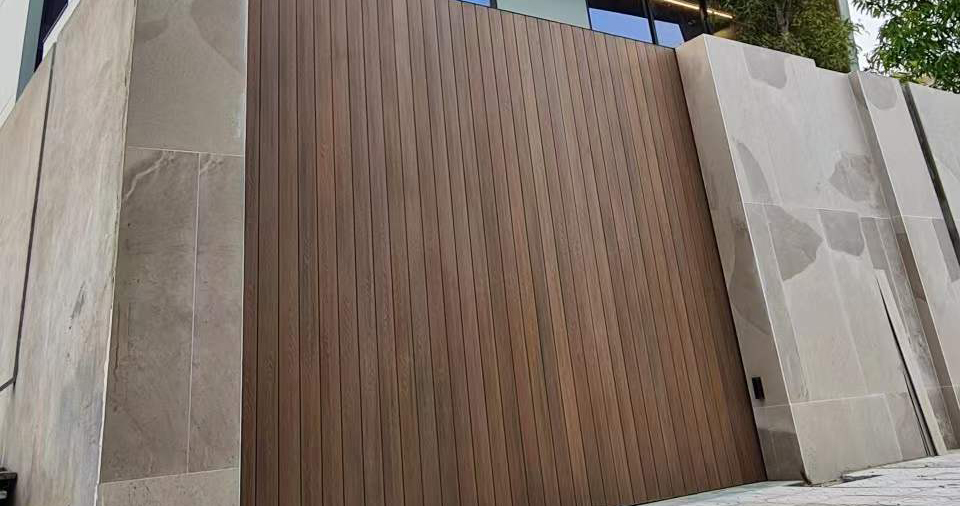
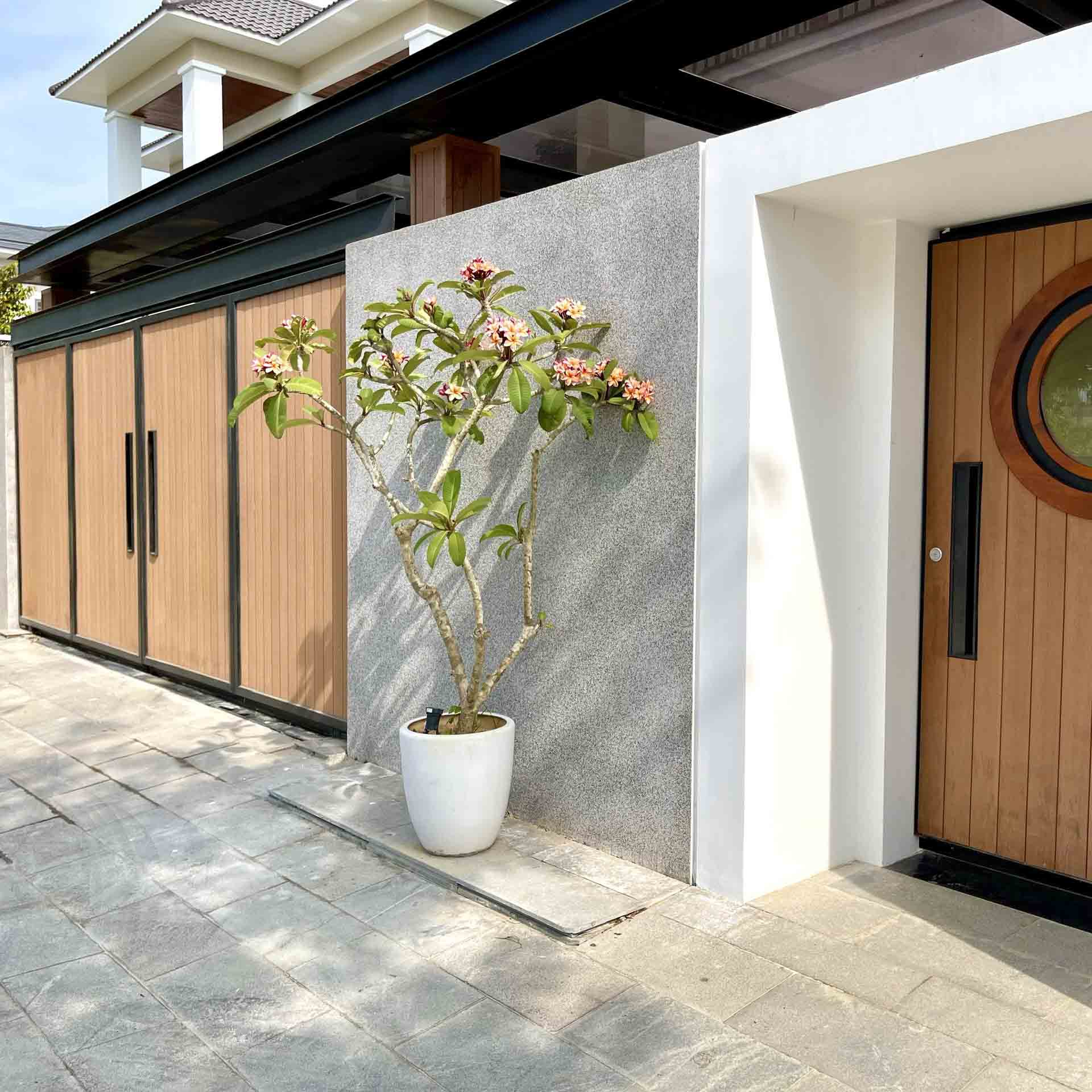
Wall cladding and facade systems
Decking and outdoor flooring
Fencing, screening, and railing
Sun shading structures (louvers)
Interior Applications
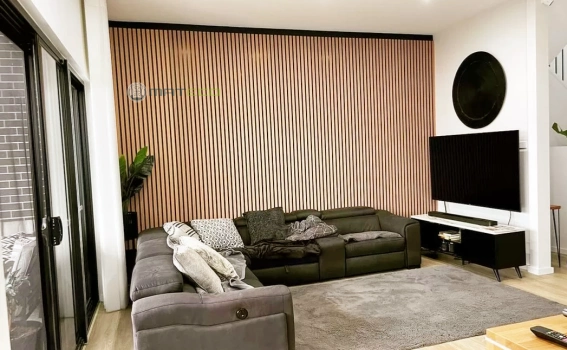
Decorative fluted wall panels
Suspended ceiling systems
Partition structures
Commercial & Public Projects
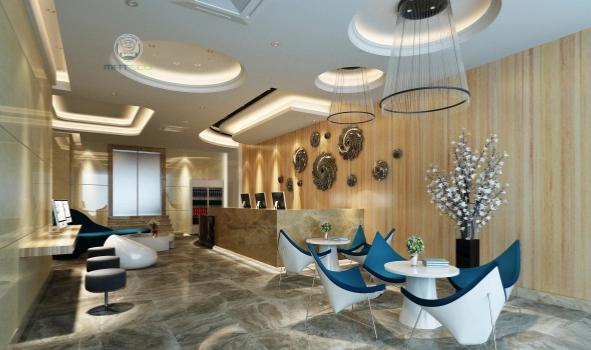
Hotels and resorts
Retail stores and shopping centers
Transportation hubs
Schools and hospitals
Project Observation: As a manufacturer, we see composite materials perform best in large-scale, repeatable installations. If you need visual consistency across a massive commercial property, WPC is your best option.
Common Sourcing Mistakes to Avoid
Buying based only on price: Cheap WPC often lacks UV coating leading to rapid fading and cracking.
Ignoring surface protection: Always ask if the product is "co-extruded" (capped) for extra scratch and stain resistance.
Not considering the local climate: Make sure the specific PE or PVC blend you buy is suited for the heat or cold of your project location.
Overlooking the installation system: A good board needs a good clipping system. Ensure the manufacturer provides high-quality, compatible accessories.
Future Trends in Composite Wood Materials
The composite market is growing fast. If you want to stay ahead of the competition, keep an eye on these trends:
Increased use of co-extruded systems: Capped composites are becoming the industry standard for premium projects.
Growth of lightweight formulas: Manufacturers are creating lighter, stronger boards to further reduce transport and labor costs.
Expansion in commercial infrastructure: More public projects are ditching wood for WPC due to strict fire and safety codes.
Demand for low-maintenance facades: Architects are aggressively replacing natural wood siding with composite cladding for high-rise buildings.
Conclusion
The construction industry is moving away from unpredictable traditional timber. For builders, distributors, and project buyers, composite wood materials offer a reliable, cost-effective, and highly efficient alternative. By choosing the right PE or PVC composites, you can speed up your installation times, eliminate maintenance callbacks, and deliver a stunning final project.
Are you looking for a reliable WPC manufacturer for your next large project or distribution network?
Contact our team today to discuss bulk pricing, request product samples, and find the perfect composite materials for your business needs.