WPC boards combine wood fiber or wood flour with thermoplastic polymers and processing additives. They are widely used for wall panels, decking, decorative profiles, and other building material applications because they offer good moisture resistance, low maintenance, and consistent production profiles.
Not all WPC boards perform the same way. Polymer type, wood content, density, profile design, surface treatment, and manufacturing control can all affect performance. Understanding these differences helps buyers compare products accurately.
Key Takeaways
WPC boards generally offer good moisture resistance, low maintenance, and resistance to rot and insects.
Common limitations include thermal expansion, higher initial cost, and differences in strength between product structures.
WPC board quality can vary significantly according to formulation, density, wall thickness, and internal profile design.
For bulk orders, specifications and test information are more useful than comparing appearance or price alone.
Table of Contents
What Is a WPC Board?
WPC stands for Wood Plastic Composite.
A typical WPC board contains wood fiber or wood flour, a thermoplastic polymer such as PVC or PE, and additives used to control processing and product performance.
WPC is a material category rather than one fixed formulation. For example, a PVC-based WPC board may behave differently from a PE-based WPC board. Wood content, mineral filler, recycled material, density, and profile structure can also affect rigidity, weight, moisture absorption, and dimensional movement.
Advantages of WPC Boards
1. Moisture and Rot Resistance
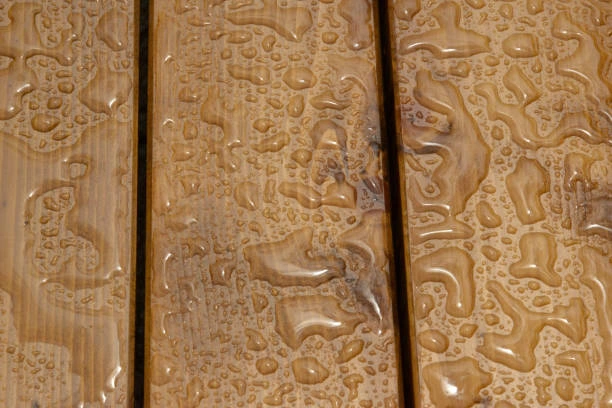
WPC boards generally absorb much less moisture than untreated natural wood.
This helps reduce problems such as swelling, rotting, and moisture-related dimensional changes.
However, water absorption still varies according to formulation, density, wood content, and surface structure.
For example, MATECO outdoor co-extruded WPC products recorded 0.50% water absorption and 0.36% thickness swelling
2. Low Maintenance
WPC boards normally do not require the same regular painting, staining, or sealing associated with many natural wood products.
Routine cleaning is usually sufficient for normal use.
3. Resistance to Termites and Wood-Boring Insects
Because WPC combines wood material with polymer, it is generally less susceptible to termites and wood-boring insects than untreated timber.
4. Consistent Extruded Profiles
Extrusion allows manufacturers to control dimensions, profile shape, internal ribs, and surface structure during production.
This is particularly useful for distributors and importers who require consistent sizes across repeated bulk orders.
5. Multiple Surface and Product Options
WPC boards can be produced with different colors, embossed textures, wood-grain surfaces, co-extruded layers, and profile structures.
Disadvantages of WPC Boards
1. Thermal Expansion
WPC boards expand and contract as temperature changes.
The amount of dimensional movement depends on factors such as:
Polymer type
Board length
Temperature range
Product formulation
Installation gap
Fixing method
Correct expansion allowance is especially important for long outdoor profiles.
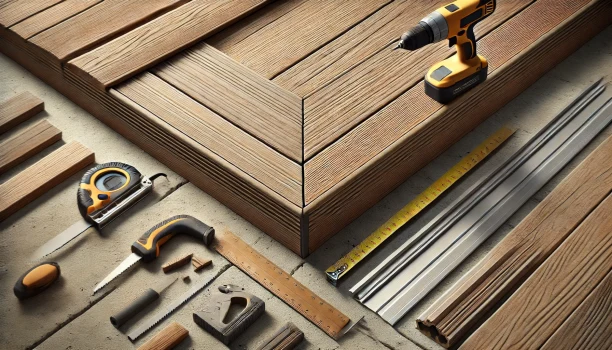
In one decking project in Argentina, the installer did not leave the recommended 3–4 mm gap between adjacent boards. Two boards began to buckle within several days. After reviewing site photos, the MATECO team identified insufficient expansion space as the likely cause. The boards were reinstalled with the required gaps, and no further buckling was reported. This case illustrates why installation gaps should follow the requirements for the specific product, board length, and site conditions rather than one universal rule.
2. Higher Initial Cost
Depending on product grade and local market conditions, WPC boards can have a higher initial material cost than untreated timber or some low-cost plastic boards.
However, total cost should also include finishing, maintenance, installation, and replacement requirements.
3. Product Quality Can Vary
Two WPC boards with similar dimensions and appearance may have very different physical properties.
Differences in polymer type, filler level, wood content, recycled material, density, and processing control can affect the finished product.
4. Strength Depends on Profile Structure
WPC should not automatically be described as a high-strength material.
Load performance and rigidity depend strongly on:
Solid or hollow structure
Wall thickness
Internal ribs
Material density
Formulation
Support spacing
A hollow decorative wall panel and a decking board, for example, are designed for very different loading conditions.
5. Surface Aging and Staining Can Occur
WPC is low maintenance but not immune to staining or surface aging.
UV exposure, pigments, surface treatment, pollution, cleaning chemicals, and product formulation can all affect long-term appearance.
Outdoor products should therefore use a surface system and formulation intended for exterior exposure.
Are WPC Boards Waterproof?
WPC boards generally have good moisture resistance, but the term "waterproof" should not be applied universally to every WPC product.
Water absorption depends on the polymer system, wood content, density, formulation, and surface structure.
A complete installation can still admit water through joints, fixing points, or gaps.
Buyers should check product specifications or water absorption test data for water-exposed applications.
WPC Board vs PVC Board: Which Is Better?
Neither material is automatically better. The choice depends on product specification and application.
| Factor | WPC Board | PVC Board |
|---|---|---|
| Main composition | Wood fiber + polymer | Mainly PVC compound |
| Moisture resistance | Generally good | Generally good |
| Weight | Depends on formulation | Often relatively light |
| Rigidity | Depends on density and structure | Depends on profile structure |
| Wood-like surface | Common | Depends on surface finish |
| Maintenance | Low | Low |
| Cost | Depends on product grade | Often lower for basic profiles |
WPC is commonly selected for a wood-like surface or composite profile; conventional PVC boards may suit applications prioritizing low weight and lower material cost.
Why WPC Board Quality Can Vary
WPC performance depends on more than the percentage of wood and plastic.
Manufacturing factors such as polymer selection, wood-fiber quality, mineral filler, stabilizers, density, wall thickness, rib structure, extrusion control, and surface treatment can all influence the finished board.
For hollow profiles, boards with the same outside dimensions can have different rigidity because of wall thickness and rib design. Appearance, size, and price alone therefore give an incomplete quality comparison.
Common Applications of WPC Boards
WPC boards are commonly used for:
Interior wall panels
Exterior wall cladding
Decking
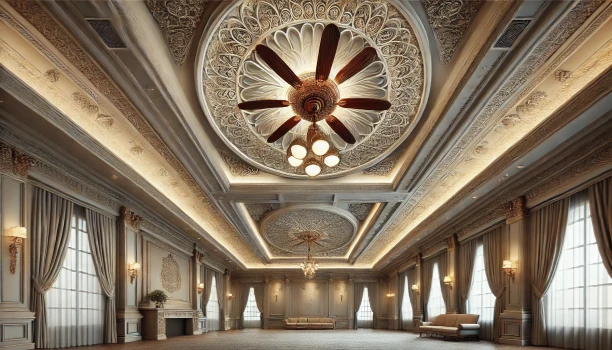
Ceiling profiles
Decorative timber tubes
Screening and louver profiles
Other extruded decorative building products
Select the formulation and profile for indoor or outdoor exposure and any structural or mechanical load.
How Long Do WPC Boards Last?
There is no single service-life figure that applies to every WPC board.
Service life depends on formulation, UV exposure, temperature, installation, mechanical loading, maintenance, and surface protection.
For bulk purchasing, warranty conditions, test reports, and production history are more useful than a general lifespan claim.
What Should Bulk Buyers Check?
For wholesalers, distributors, importers, and building material suppliers, important purchasing points include:
Product dimensions and tolerances
Weight and density
Wall thickness and internal structure
Polymer and product type
Surface and color consistency
Relevant test reports
Packing method and container loading
MOQ and repeat-order consistency
A lower unit price may not represent better value if the board uses a weaker profile structure or has inconsistent production quality.
Conclusion
WPC boards offer moisture resistance, low maintenance, insect resistance, consistent profiles, and multiple surface options. Their limitations include thermal expansion, variable quality, structure-dependent strength, surface aging, and potentially higher initial cost. Because WPC is not one fixed material, bulk buyers should compare specifications, profile design, test information, and production consistency rather than appearance or price alone.